

Most, if not all, marginalized community members do not view, or think of themselves as part of the “seller economy”. As avid consumers, large numbers of Americans, and people around the world, tend to live on the standard of “earning-to-buy.”
It is important to be part of the “seller economy”, not only to marginalized individuals, groups, and communities, but to the community-at-large and the global economy.
Here are some insights to why it matters:
Participation in the “seller economy” or entrepreneurship is indeed important not only for marginalized individuals and communities but for society as a whole and the global economy.
- Economic Empowerment:
- For marginalized communities, becoming part of the seller economy can be a path to economic empowerment. Starting a business or selling goods and services allows individuals to generate income, build wealth, and achieve financial independence, reducing reliance on social assistance programs.
- Wealth Redistribution:
- Entrepreneurship and participation in the seller economy can contribute to a more equitable distribution of wealth. When marginalized individuals and groups engage in economic activities, they have the potential to accumulate assets and wealth, which can help narrow wealth disparities.
- Job Creation:
- Small businesses are a significant source of job creation. When marginalized individuals become entrepreneurs, they often hire from their own communities, thereby reducing unemployment rates and enhancing economic stability.
- Diverse Perspectives:
- Encouraging marginalized individuals to participate in the seller economy brings diverse perspectives and ideas to the market. This diversity can lead to innovation, the creation of new products and services, and a more competitive marketplace.
- Community Development:
- Small businesses owned by marginalized individuals often reinvest in their communities. They contribute to local economic development, sponsor community events, and create a sense of pride and identity within their neighborhoods.
- Self-Determination:
- Being part of the seller economy gives marginalized individuals a sense of self-determination and control over their economic destinies. This can lead to increased self-esteem and confidence, which can have broader positive effects on their lives.
- Cultural Preservation:
- Some marginalized communities have unique cultural products or traditions that can be monetized through entrepreneurship. Participating in the seller economy can help preserve and promote these cultural elements while generating income.
- Reducing Reliance on Consumerism:
- Living solely as consumers can perpetuate a cycle of dependency and consumer debt. Encouraging marginalized individuals to become sellers can help break this cycle by shifting the focus from “earning-to-buy” to “earning-to-create.”
- Global Economic Growth:
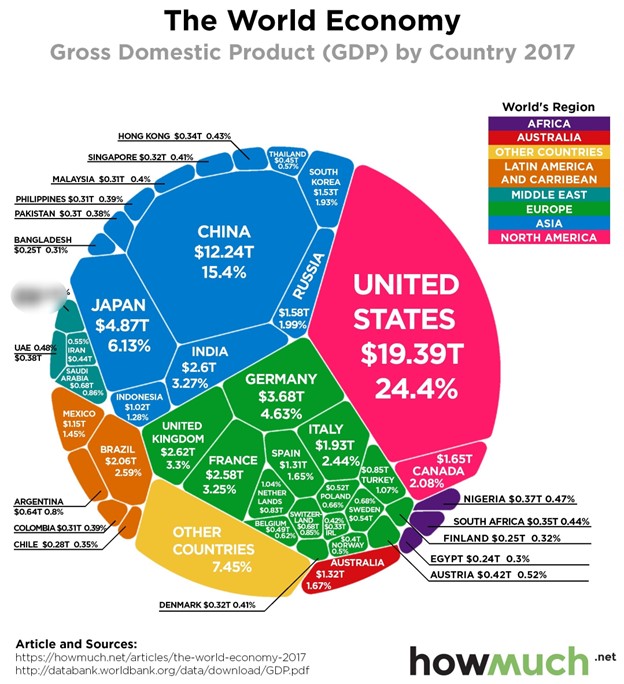
On a broader scale, encouraging entrepreneurship among marginalized individuals and communities can boost economic growth at both the national and global levels. New businesses, products, and services contribute to increased economic activity and innovation.Social Inclusion and Equity:
- Promoting the inclusion of marginalized individuals in the seller economy aligns with principles of social justice and equity. It acknowledges that everyone should have equal opportunities to participate in economic activities and benefit from them.

Encouraging marginalized individuals, groups, and communities to be part of the seller economy is not only important for their individual well-being but also for the broader society and the global economy. It can foster economic empowerment, reduce inequalities, promote diversity, and contribute to economic growth and social inclusion. Policymakers, businesses, and society as a whole should support initiatives that facilitate entrepreneurship and economic participation among marginalized populations.
The following are suggested tactical strategies whereby New Age Digital Entrepreneurs from marginalized populations can utilize principles of self-determination to inspire leadership and entrepreneurship within those communities, resulting in revitalization and economic empowermemt.
Empowering New Age Digital Entrepreneurs from marginalized populations to inspire leadership and entrepreneurship within their communities requires a multifaceted approach.
Here are tactical strategies and their definitions to achieve this goal:
- Mentorship Programs:
- Definition: Establish mentorship programs where successful digital entrepreneurs from marginalized backgrounds guide aspiring individuals. These mentors offer advice, share experiences, and provide support in navigating the entrepreneurial journey.
- Tactic: Create a platform that connects experienced digital entrepreneurs with aspiring ones within the community. Encourage regular meetings, goal setting, and skill development.
- Digital Skills Training:
- Definition: Provide comprehensive training in digital skills, including website development, digital marketing, and e-commerce, to equip individuals with the necessary tools to start online businesses.
- Tactic: Collaborate with local educational institutions or online training platforms to offer affordable or free digital skills courses tailored to the community’s needs.
- Access to Funding:
- Definition: Facilitate access to capital and financial resources for digital entrepreneurs. This includes microloans, grants, crowdfunding initiatives, and investment opportunities.
- Tactic: Partner with financial institutions, government agencies, and philanthropic organizations to establish funds specifically designed to support marginalized digital entrepreneurs.
- Networking and Community Building:
- Definition: Foster a sense of belonging and collaboration within the community of digital entrepreneurs. Encourage networking events, workshops, and online forums for knowledge sharing.
- Tactic: Organize regular meetups, webinars, and online communities where entrepreneurs can exchange ideas, seek advice, and form partnerships.
- Role Models and Success Stories:
- Definition: Showcase success stories of digital entrepreneurs from marginalized backgrounds to inspire others and demonstrate that success is attainable.
- Tactic: Produce documentaries, articles, or social media campaigns that highlight the journeys and achievements of local digital entrepreneurs.
- Community-Focused Initiatives:
- Definition: Encourage digital entrepreneurs to create businesses that address specific needs within their communities, fostering a sense of ownership and localized impact.
- Tactic: Provide resources and guidance on identifying community needs, conducting market research, and developing business ideas that align with those needs.
- Policy Advocacy:
- Definition: Advocate for policies and regulations that support digital entrepreneurship and remove barriers, such as reducing bureaucratic hurdles or offering tax incentives.
- Tactic: Form coalitions of digital entrepreneurs to engage with policymakers, share their experiences, and lobby for policy changes that promote entrepreneurship.
- Technology Access:
- Definition: Ensure that marginalized communities have access to essential technology and infrastructure, including reliable internet connectivity and affordable devices.
- Tactic: Partner with telecommunications companies, governments, and NGOs to expand internet access and distribute affordable devices to underserved areas.
- Market Access and Promotion:
- Definition: Assist digital entrepreneurs in marketing their products or services to a broader audience, including through e-commerce platforms, social media, and online marketplaces.
- Tactic: Offer workshops on digital marketing, search engine optimization, and online sales strategies to help entrepreneurs reach a wider customer base.
- Measurement and Evaluation:
- Definition: Continuously assess the impact of these strategies on community revitalization and economic empowerment to refine and improve the initiatives.
- Tactic: Collect data on business growth, job creation, and community development to measure the effectiveness of the programs and make data-driven adjustments.
By implementing these tactical strategies, New Age Digital Entrepreneurs from marginalized populations can harness principles of self-determination to inspire leadership and entrepreneurship within their communities, leading to revitalization and economic empowerment.
P-B-S Terms & Conditions PRIVACY POLICY CONTACT US RETURNS & REFUNDS
© 2023 P-B-S DIGIPRENEUR All Rights Reserved Powered By: Pittman’s Business Systems, LLC