

Social Scapegoat Syndrome
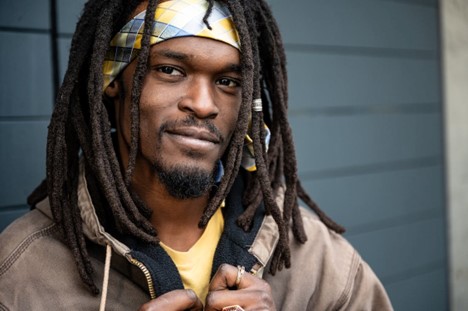
How does the phrase “social scapegoat syndrome” affect digital entrepreneurs from marginalized communities in new age marketing concepts?
The phrase “social scapegoat syndrome” does not have a widely recognized or established meaning in the context provided. However, here are some insights based on the terms here.
Social Scapegoat Syndrome: Accepting that the term refers to the tendency of society to blame certain individuals or groups for societal problems, it has significant implications for digital entrepreneurs from marginalized communities. Marginalized communities, which often face systemic disadvantages and discrimination, can be more susceptible to becoming targets of scapegoating. This can manifest in various ways, such as biased media portrayal, unequal access to resources and opportunities, or negative stereotypes that hinder their entrepreneurial endeavors.
When marginalized digital entrepreneurs are subjected to the social scapegoat syndrome, they may face additional barriers in their entrepreneurial journey. They might encounter prejudice, exclusion, or lack of support from society, potential investors, or business partners. These challenges can affect their access to capital, market opportunities, mentorship, and networks, thereby limiting their chances of success.
- New Age Marketing Concepts: In the context of marginalized communities and social scapegoating, new age marketing concepts can potentially provide opportunities for empowerment and change.
For instance, digital marketing platforms and social media can offer a more level playing field for entrepreneurs from marginalized communities to promote their businesses and connect with a broader audience. By leveraging these tools, they can share their stories, showcase their products or services, and challenge prevailing stereotypes or misconceptions.
Additionally, some new age marketing concepts emphasize the importance of inclusivity, diversity, and social responsibility. Brands and marketers who adopt these principles can actively support and amplify the voices of marginalized entrepreneurs. This approach can contribute to a more equitable business landscape, foster positive change, and challenge the social scapegoat syndrome by showcasing the diverse talents and perspectives of entrepreneurs from marginalized communities.
It’s important to note that without a clear definition of “social scapegoat syndrome,” the specific impact on digital entrepreneurs from marginalized communities in new age marketing concepts may vary. The dynamics and challenges faced by entrepreneurs are influenced by numerous factors, including social, economic, and cultural contexts, as well as individual experiences and opportunities available to them.
Two cases of digital entrepreneurs from marginalized communities who have overcome social scapegoat syndrome and succeeded and their entrepreneurial endeavors
.

Queens man changing the face of skin care with shaving system for people of color
- Tristan Walker: Tristan Walker is an African-American entrepreneur who founded Walker & Company Brands, a company focused on developing health and beauty products for people of color. He recognized the lack of representation and products catering to the specific needs of marginalized communities. Despite facing obstacles, such as limited access to capital and navigating a market dominated by established players, Walker successfully raised funds and built a thriving business. His company was eventually acquired by Procter & Gamble. Tristan Walker’s entrepreneurial journey has been inspiring for aspiring entrepreneurs from marginalized communities.
- Jewel Burks Solomon: Jewel Burks Solomon is an African-American entrepreneur who co-founded Partpic, a visual recognition technology company that aimed to simplify the process of finding and purchasing replacement parts. She encountered challenges related to being a woman of color in the tech industry, where representation is lacking. Despite the hurdles, Burks Solomon’s innovative idea and determination attracted attention and investment. Partpic gained recognition, secured partnerships with major companies, and was eventually acquired by Amazon. Burks Solomon went on to become the Head of Google for Startups in the United States, supporting other underrepresented entrepreneurs.

Jewel Burks Solomon – American entrepreneur
These examples showcase the resilience, innovation, and success achieved by digital entrepreneurs from marginalized communities, demonstrating that it is possible to overcome societal challenges and achieve significant entrepreneurial milestones.
P-B-S Terms & Conditions PRIVACY POLICY CONTACT US RETURNS & REFUNDS
© 2023 P-B-S DIGIPRENEUR All Rights Reserved Powered By: Pittman’s Business Systems, LLC