

To understand social marginalization, we must include social ostracism and social exclusion as commensurate social phenomena. These social interactions and dynamics currently exist and persist in our society.
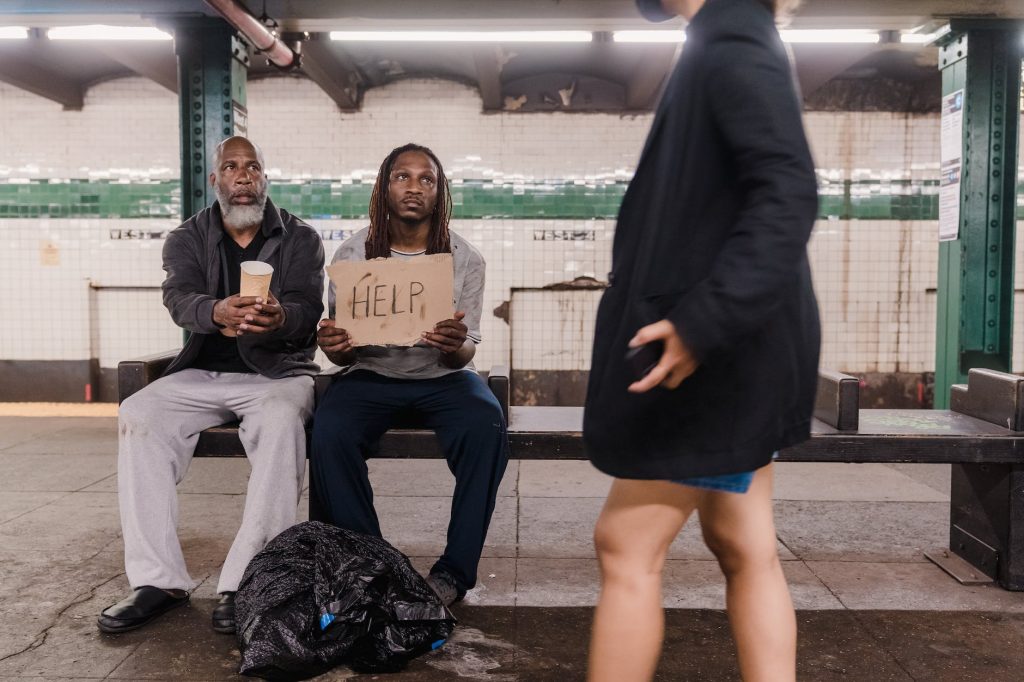

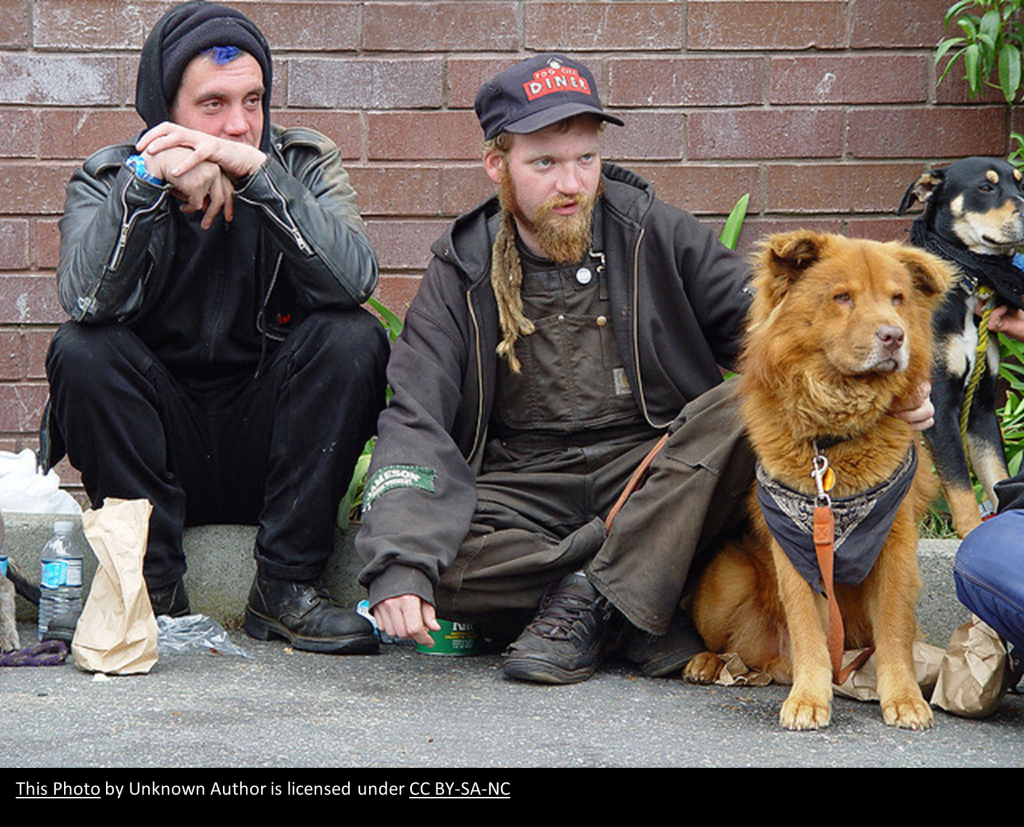
What is ostracism?
ostracise. / (ˈɒstrəˌsaɪz) / verb (tr) to exclude or banish (a person) from a particular group, society, etc. (in ancient Greece) to punish by temporary exile.
Ostracize Definition & Meaning | Dictionary.com
https://www.dictionary.com › browse › ostracise
Ostracism was a social practice of ancient Greek Athens. The city residents were allowed to vote as to whether a fellow citizen was a danger to the community. a majority vote against the fellow Athenian would lead to 10 years exclusion from the city of Athens. Wikipedia –
https://en.wikipedia.org/wiki/Ostracism
Today’s ostracism is modernized by technology and occurs in real time. No one can avoid the ostracizing eye of mainstream media and social media. Electronic media has facilitated imaging, audio broadcast, and video uploading of instant data that ostracize individuals, groups and institutions.
In Pop Culture and social media this is referred to as ”throwing shade” on something or someone. We like to blame media systems for the privacies that are publicly exposed about us, but the source of these data… is us— people, and life in general. Social media channels, available to billions of daily users throughout the world, supply endless forums of opinion, commentary and criticism of nearly everything and everyone.
To identify and characterize the social phenomenon of ostracism we can consider ourselves as the primary source of relevant information.
At a very young age, my father told me , “Son, everyone has a story, and everyone wants to tell their story. We want our story to be the best. No one can tell your story as well as you can. Most people take notice of, and give credit to, what other people say and do. However, some will try to downgrade you by lying about you and making up stories about you that make people dislike you and become afraid of you. You must know for yourself when someone is trying to throw shade on you or make you look bad. They will be doing it because they do not want you around getting the best of everything”.
My father’s words remain important to me. When I met people like that, it turned out they were envious and resentful. His advice has served me well with insight to understanding social dynamics. The wisdom helps to promote and protect my interests. Certainly, not everyone has had the clear advice I had from my father.
Many people suffer ostracism and practice it without understanding or knowing that they are doing so.
Ostracism is an American subliminal past time. It is resultant from centuries of our uncharted American cottage culture. Information we learn at home as children, and that we are admonished to not share with others, we utilize, discreetly, to form opinions and make decisions about excluding or including others. This occurs at both the conscious and subconscious levels. With time and experience we learn to not share information we learn from home. Unfortunately, in too many instances this becomes psychologically hazardous and injurious to the child. Social dysfunctionality can and does occur at the cottage level, due possibly to poor parenting, harsh family dynamics and environments, dysfunctional familial behaviors, and or general neglect and lack of direction and healthy interactions.
Our social systems are steeped in competition. Friction, anxiety, stress, and fear are integral to competing. Competition persists from early childhood to retirement. Performance is required. Excellence is sought. Awards are bestowed to the strongest competitors and highest achievers. In the higher levels of competition losers are shown as not quite good enough. That is ostracizing. Public humiliation and ridicule, vitriol, hysteria turned into bedlam in the streets are part of the scenario placed in the wheelhouse of ostracized winners and losers.

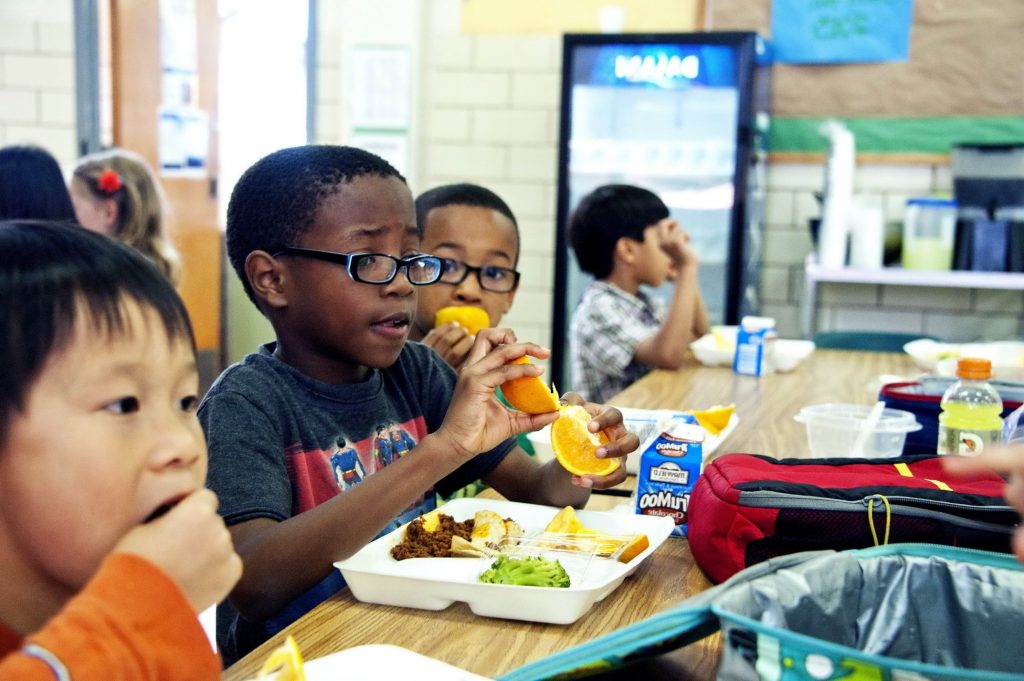
As part of our developmental socialization, we are placed into social settings such as school classrooms and playgrounds, gymnasiums, auditoriums, cafeterias, swimming pools, and numbers of other social scenarios. Our experiences in these venues and events lead to our maturity and help form and develop our understanding of social interaction. We gain knowledge and skillsets, and receive the benefit from sharing and learning about ourselves and others. Growth and experience impact our perceptions and insights. It helps shape our adult personality, our preferences, and our social outlook.

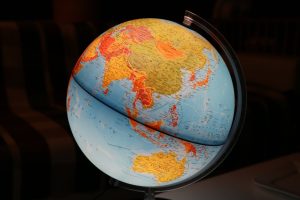
On the whole, the masses learn “locally”, while aristocrats and the elite are taught and accultured to “globalism”. The dichotomy is that aristocrats and elites are seen as conspirators to exploit the ignorance of the masses.
We manage our social exclusion and social inclusion behavior subconsciously, and, at most, privately. Throughout this growth and maturity period our social interactions are affected by the cottage influences we are exposed to although we are not aware of them.
How do social dynamics move from ostracism to marginalization in the social context?
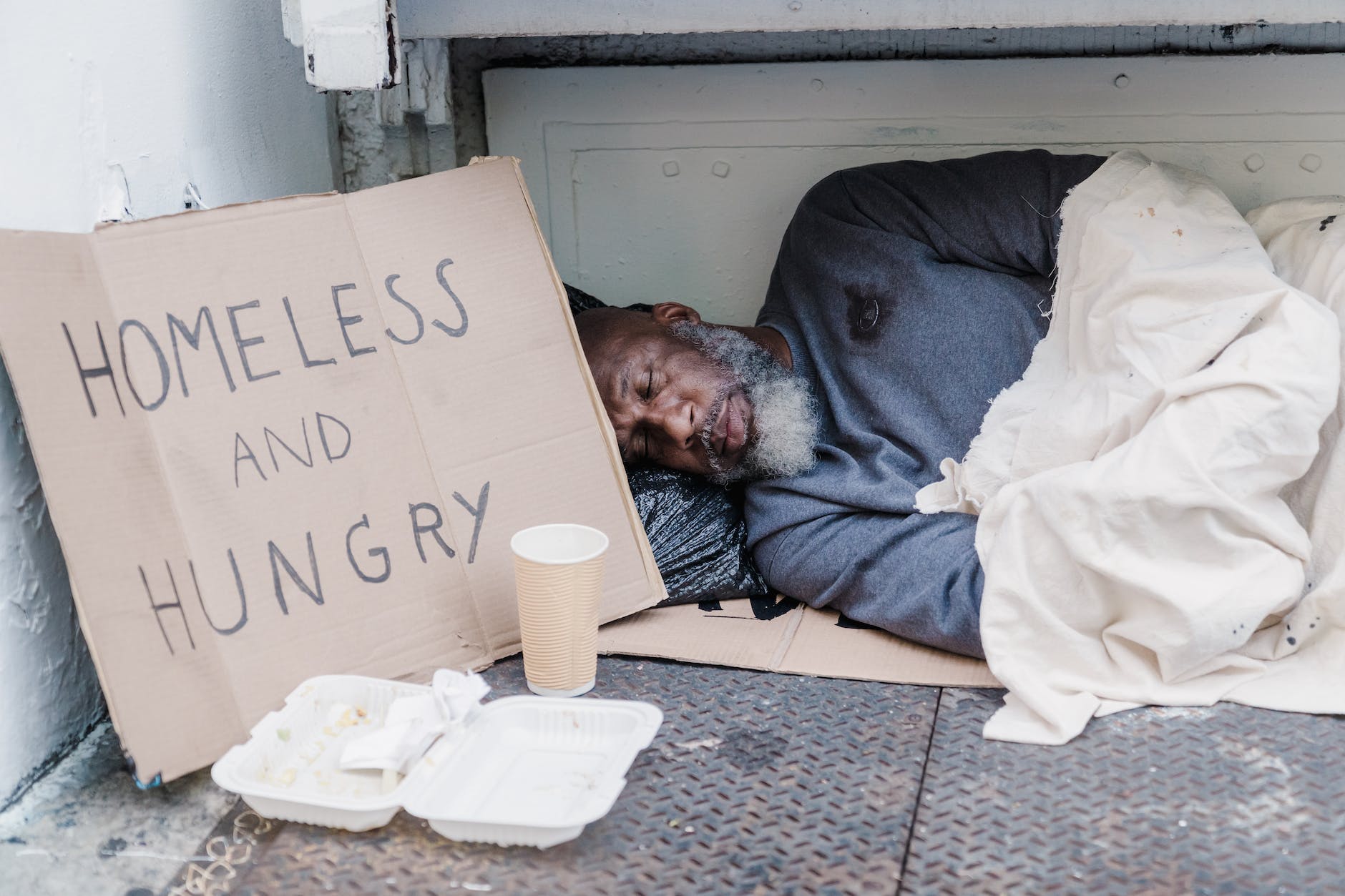
The social dynamics involved in this article are sourced from credit demographics. These instances provide data points of social ostracism but also identify differences in social environments that create marginalization. We must look at our social institutions to identify the differences these institutions perpetuate that are ostracizing to individuals, groups and communities. These social environmental factors are critical to evaluating the pervasiveness of ostracism within an individual business, a group or industry(eg.: realtors, bankers, insurers, and others), and communities, and how that ostracism is perceived externally.
The social transition from ostracism to marginalization is not always apparent.
Social inclusion is the process where all individuals engage in various social, economical and political systems whereas social exclusion is where certain individuals or groups in the society are marginalized.
Well then, how does that work?
We must first understand how social inclusion and social exclusion operate in society. There exists a mainstream of thought as to how society should operate. Most people in society agree on the so-called operating standards, and conform with those standards. This group is called the mainstream society. This indicates that most of the people believe similarly. On the other side of the coin, all those who do not agree with mainstream society standards, or do not live or operate within the mainstream society standards, have been traditionally and historically ostracized and excluded from the mainstream society. In former sociological terminology, individuals and groups considered outside of the mainstream society were referred to as “fringe” or “radical fringe groups’. Individuals and groups that have been termed as being “fringe” have systematically been pushed to the edges of society out of the mainstream. These individuals and groups have become marginalized by society.
marginalized
/ˈmärjənəˌlīzd/
adjective
- (of a person, group, or concept) treated as insignificant or peripheral.
“members of marginalized cultural groups”
What is a marginalized person?
A society that labels certain people as outside the norm — weird, scary, hateful, or useless — marginalizes those people, edging them out
So then, who are the marginalized that are spoken of? Are these all-ostracized individuals, groups, and communities?
Marginalized Populations
Category: Division News
Apr
01
The social revolution of the 1970s coined the word “marginalized” to describe the experiences of those who live on the fringe of mainstream America. Such persons are systematically excluded from full participation in the American dream and consequently lack the self-efficacy to improve their life situation. In the end, society pays the costs when people encounter barriers to achieving their potential. The term marginalized has expanded from originally referring to minorities and persons from poverty, to include a long list of cultures and populations. Here is a sample of the most common marginalized groups:
- GLBT
- Senior citizens
- Racial/Cultural minorities
- Military Combat Veterans
- Persons of below average intelligence
- Hearing, visually, and Physically Challenged Persons
- Persons with a serious and Persistent Mental Illness (SPMI)
- Persons with Cognitive Impairments
- Gamblers and Substance Abusers
- Autism Spectrum Persons
- Gifted and Talented Persons
- Persons with disfigurements
- Persons Living in Poverty
- Sex Offenders
- The Homeless
- Felons
While this is only a listing of those most commonly referred to as marginalized, there are other individual people who just do not fit into mainstream culture, and suffer the same consequences. Such persons are all around us but virtually invisible…unless they cause problems or disrupt the lifestyles of mainstream persons.
GENDER MARGINALIZATION

Throughout history, until the 20th Century, women have been extremely marginalized in capitalistic societies.
Gender marginalization is by now an accepted theoretical concern and enough empirical evidence is available to substantiate a strong presence of gender discrimination, oppression and subordination in all societies, whether developed, developing or the underdeveloped.Jul 18, 2018
Women of color are a marginalized segment of society.
Women of color have recently taken the spotlight in the public forum. Kamala D. Harris, Vice President of the United States of America, is a woman of color of Asian and African American descent.
We are now living in an era of transparency no longer allowing or tolerating bigotry and systemic racism.
Such events herald the revision of social, economic and political structures and social mores of this country. Social consensus strongly indicates that it is past time for classist rule over the masses. A change is occurring.
LGBT MARGINALIZATION

In 1993, the Clinton Administration issued Department of Defense Directive 1304.26. Better known as “don’t ask, don’t tell”, the policy officially allowed closeted gay individuals to serve in the Armed Forces for the first time in U.S. history, though it did continue to bar known homosexuals from serving in the military.
LGBTQ youth make up at least 40% of all young people experiencing homelessness in the United States — an outsize portion, considering LGBTQ youth comprise only around 5%-8% of the total population of young Americans.
Until now, their experiences have gone mostly undocumented, according to Brandon Andrew Robinson, an assistant professor in the gender and sexuality studies department at the University of California, Riverside. Robinson uses the pronouns they/them/their.
https://news.ucr.edu/articles/2020/03/19/how-policing-perpetuates-marginalization-lgbtq-youth
RACE MARGINALIZATION
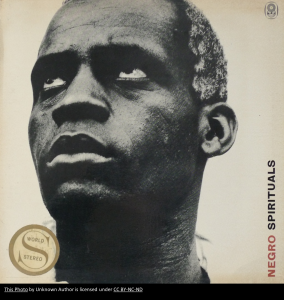

In the history of the world it is apparent that imperialism and colonization have been underpinned with the aggressors’ confidence in their racial superiority.
A classic example is that of the indigenous people of North America. World history documents the genocide their race and culture suffereded at the hands of European settlers migrating to create the United States of America. We understand that upwards of 100 million native people parished as a result of “manifest destiny”.
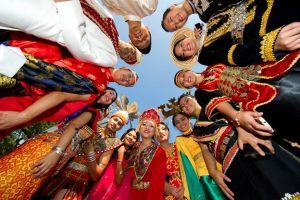
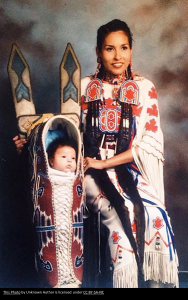
Today, there are 5.2 million American Indians and Alaska Natives making up approximately 2 percent of the U.S. population. There are 14 states with more than 100,000 American Indian or Alaska Native residents.
American Indians and Alaska Natives – By the Numbers
Marginalized African Americans
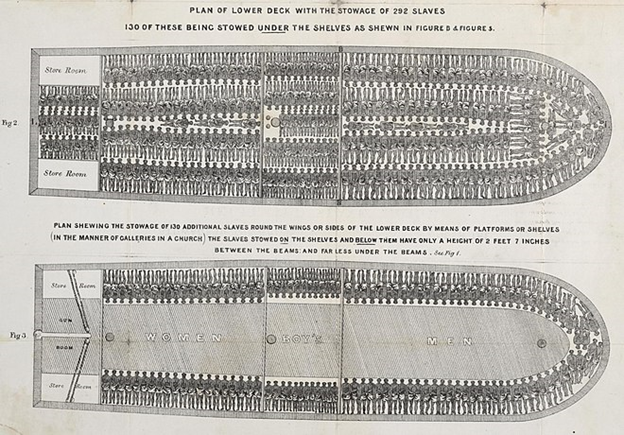
It is historical fact and knowledge that Africans were involuntarily brought to America as slaves. Africans were captured, shackled, and chained, then were transported as livestock to America into bondage.
The public debate over American ownership and enslavement of human beings, resulted in civil war and produced the Emancipation Proclamation of January 1st 1863. Although the Emancipation Proclamation declared enslaved Africans to be free Americans, the acceptance of such has not happened.
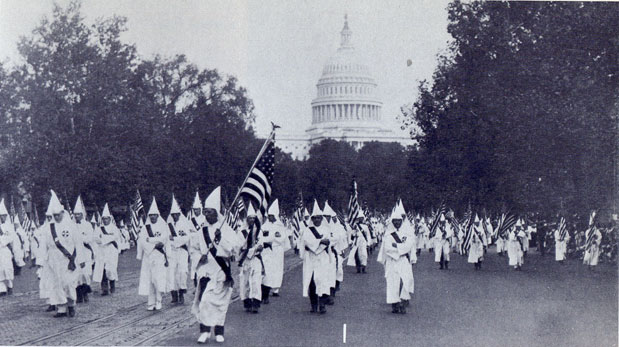
African Americans were unceremoniously foisted into the workforce. The competition for job earnings was not welcomed by working white Americans.
This was a basis of resentment and continues to be so.
Since the U.S. Bureau of Labor Statistics started collecting data on the African American unemployment rate in January 1972, this rate has more often than not been twice as high as the white unemployment rate.
How many American homeowners are there?
There are 79.36 million owner-occupied homes in the US.Aug 4, 2021

…“Today, homeownership is the principal source of wealth creation for most American households,” said Marcia L. Fudge, Secretary of the Department of Housing and Urban Development, in a statement. “Unfortunately, NAR’s report confirms that Black Americans are being locked out of homeownership opportunities at an even higher rate than a decade ago.”…
According to a currently published and highly discussed LendingTree Financial Services Report:
…”Black People Own Disproportionately Small Share of Homes in 50 Largest US Metros
Written by
JACOB CHANNELEdited by
Updated on: February 13th, 2023
https://www.lendingtree.com/home/mortgage/black-americans-homeownership-trends/
…”Some cities and states are trying to boost Black homeownership, which dropped to a 60-year low even before the economic turmoil wrought by the COVID-19 pandemic.
Black homeownership fell in 2019 to 40.6%, down from the 2004 peak of 49.7%. The rate has rebounded somewhat since then, but advocates remain dismayed at how, decades after the 1968 Fair Housing Act, Black families still struggle to become homeowners at the same rate as White peers.”…
Who owns wealth in the United States?

According to data from the Federal Reserve, in 1990, white households owned 90.7% of household wealth in the United States, whereas Black households owned 3.8% and Hispanic households owned 2.1%. These numbers have changed little over the past 30 years, with white households now owning 85.5% of wealth in 2019, and Black households owning 4.2% and Hispanic households owning 3.1%. Most of the white wealth decline is due to other racial groups attaining a share wealth.
How then, do racially disparate earning power and wealth accumulation gaps impact African American families?
We turn to data to inform us about The American Response to the African American initiative to participate in the American society and culture.
Stay mindful that African Americans’ history began in brutal enslavement in 1609. Enslavement of African Americans continued beyond January 1, 1863, the date of the Emancipation Proclamation, until June 19th, 1865.
The ostrcizing and marginalizing behavior of the white slaveholder southern states, espousing that African Americans were beast of burden, livestock, and less than human, persist even today.
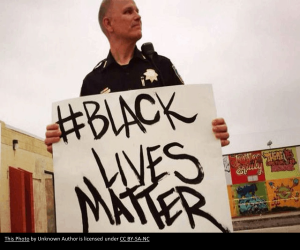

The following quote is excerpted from the Joint Economic Committee Report on the Economic State of Black America in 2020. The complete report can be reviewed at: https://www.jec.senate.gov/public/_cache/files/ccf4dbe2-810a-44f8-b3e7-14f7e5143ba6/economic-state-of-black-america-2020.pdf
…”The Economic State of Black America in 2020
“Over the past half-century, Black Americans have made substantial social and economic progress, gaining political rights that long had been denied to them, entering professions from which they had been blocked and largely overcoming centuries of overt racism and oppression.
While there were only five Black Members of Congress when the Civil Rights Act became law in 1964, there currently are 56 Black Members of Congress, including 12% of the House of Representatives. Black activists, scholars, and social commentators have raised awareness about the importance of diversity and shaped the national conversation around race and inequality. There has been a proliferation of Black writers, screenwriters, artists, poets, athletes and musicians who have become superstars in their respective fields. And the 21st century saw the election of the first Black American, Barack Obama, as president of the United States.
Millions of Black Americans also have benefited from the opportunities created by the de jure end of Jim Crow, entering the middle class for the first time, earning undergraduate and advanced degrees, receiving higher wages, achieving professional success and raising children who will build on their achievements. Leading indicators of economic prosperity and other measures of well-being also have trended upward for most of this period, with increased life expectancy, increased household incomes and substantial gains in educational attainment.
However, these very visible signs of improvement mask deep inequities that relegate tens of millions of Black Americans to second-class status, with far fewer opportunities to achieve good health, political influence, prosperity and security than other Americans. The majority of Americans fail to recognize the magnitude of these problems. For example, a 2019 study found that over 97% of respondents vastly underestimated the huge gap between the median wealth held by Black families ($17,000) and White families ($171,000)—a ratio of 10 to one. Respondents estimated the gap to be 80 percentage points smaller than the actual divide.
The data reveal a much different story, with leading indicators of social and economic well-being showing that, on average, Black Americans face much more difficult circumstances than their White counterparts. For example, Black Americans take home less income, are far less likely to own their homes and live shorter lives than White Americans.
Evaluating the economic state of Black America requires acknowledging that while the United States has made some progress, very large disparities continue to exist. Recognizing both the progress and the challenges is essential to ensuring that all Americans, including Black Americans, have a realistic chance to achieve success.”…
KEY POINTS
- Despite significant economic progress over the past decades, Black Americans experience far worse economic conditions than Whites or the population as a whole.
- Historically, the unemployment rate for Black Americans has been approximately twice the rate for Whites. That is the case today—6.0% for Black workers and 3.1% for Whites.
- The difference in the unemployment rates for Blacks and Whites shrinks for college graduates; however, even in the current strong economy the unemployment rate is 50% higher for Black Americans.
- During the majority of the past 50 years, Black Americans have experienced unemployment rates that, were they experienced by the entire population, would be seen as recessionary.
- Black workers have been disproportionally hurt by the overall decline in union membership and the decreasing power of unions.
- The typical Black households earns a fraction of White households—just 59 cents for every dollar. The gap between Black and White annual household incomes is about $29,000 per year.
- Black Americans are over twice as likely to live in poverty as White Americans.
- Black children are three times as likely to live in poverty as White children.
- The median wealth of Black families ($17,000)—is less than one-tenth that of White families ($171,000).
- The wealth gap between Black and White households increases with education.
- Much less than half (42%) of Black families own their homes, compared to almost three-quarters (73%) of White families.
- High school graduation rates for Black and White Americans have nearly converged.
- The share of Blacks who are college graduates has more than doubled since 1990, from 11% to 25%—but still lags far behind Whites.
- Persistent segregation leads to large disparities in the quality of secondary education, leading to worse economic outcomes.
- The incarceration rate for Black Americans is falling, but is still nearly six times the rate for White Americans.
- Non-Hispanic Black Americans have a life expectancy 3.6 years lower than non-Hispanic White Americans…”
We can continue with these statistics and data points, and we will, at a later point.
To conclude, I will summarize with the subject of this writing which is ostracism, or the banishing of persons and groups within our society.
We learned that ostracism is a marginalizing behavior that we need to combat in our society.
Equality of opportunity is the mainstay of achieving equity in outcomes. (It would be far beyond pollyanna-ish to strive for equal outcomes.) We understand that results are different for everyone.
However, we must relinquish the precipitous attitude that we can exclude others from fully participating in society because they do not conform to a factoring of mainstream lifestyle.
We must forward and protect the proposition that all humans are entitled to participate and share in the human experience. All humans are entitled to benefit from, and partake of, the natural resources of this planet.
No individual or group or community has tte right, nor should be allowed, to deny, deprive, annd/or disenfranchise any other individual, group or community to participate in education, arts & sciences, commerce, politics, wealth, and recognition.
I therefore call your attention to the P-B-S DIGIPRENEUR Inclusiveness Project.
Learn More…
<<JOIN THE INCLUSIVENESS PROJECT HERE>>
We want you to join with our community and help forward the proposition that all citizens are entitled to participate in the seller economy, and live a healthy, abundant and joyful life filled with positive experiences.